Native Speaker but Make It Digital! | 21st Century Skills Training


 Hello friends! I hope you're having a good day with lots of sunlight and health. I'm at work and feeling well. In these COVID-19 days, going work and doing something out of my house feels levitating. In this post, we will talk about 4th lesson of 21st Century Skills Teacher Training.

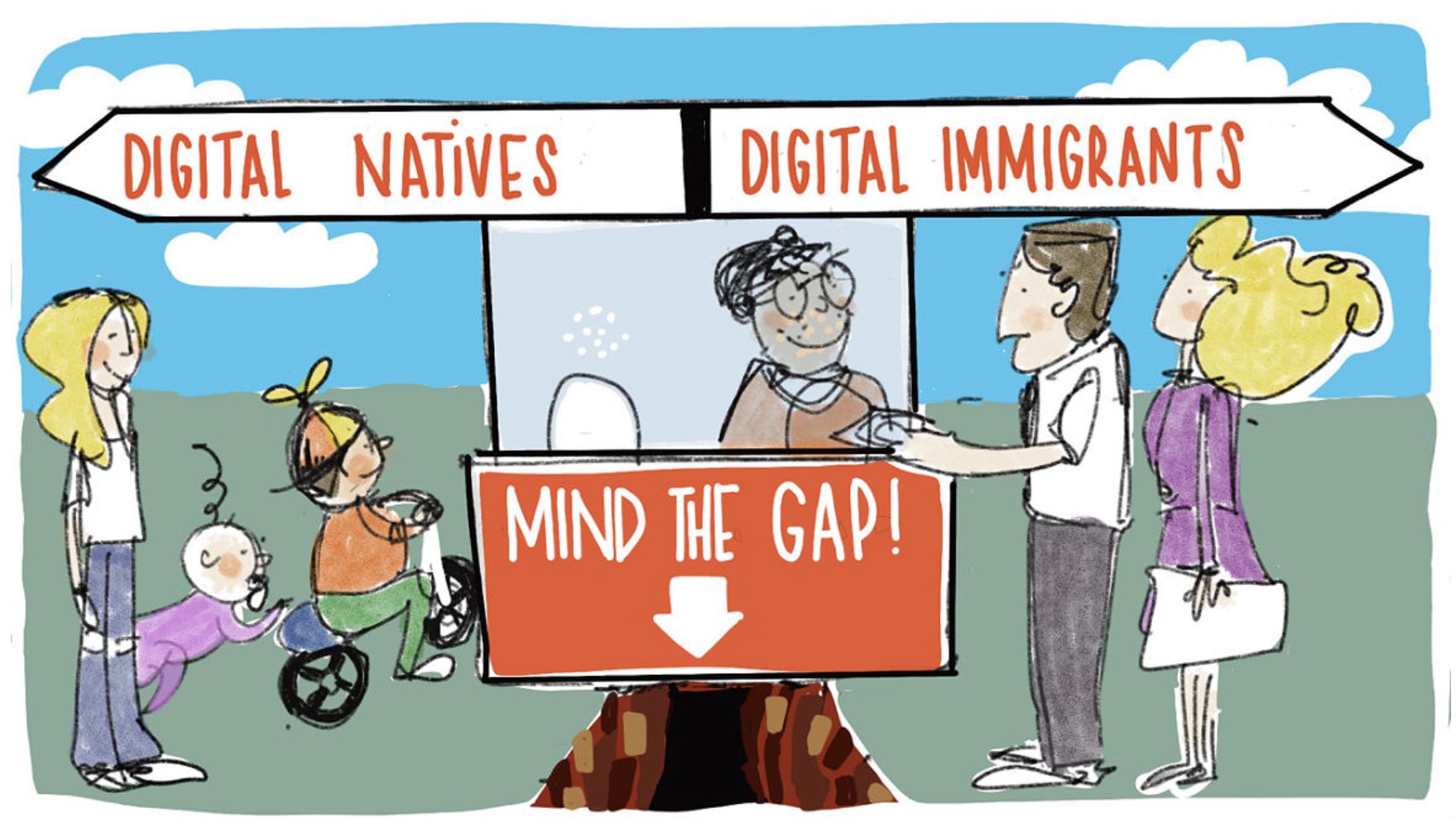
 The last lesson, as always, focused on different subjects and one of which was the terms related to digital environments. We have mainly talked about three different terms; technophobe, digital immigrant, digital native. Can you make any guesses what they could mean? or have your heard of them before? 

 Technophobe is an easy one I guess. People who do not understand technology and struggle with it, then as a result, became prejudiced and fearful of technology are named as technophobe. This is like every other phobia. If you do not understand something, you start to fear. Then, digital immigrant comes in, this term is has the same meaning with cultural immigrants but make cultural digital. Someone who has not born into digital world is counted as digital immigrant. They get accustomed to digital world in time and make limited use of it. Lastly, we can talk about digital natives. The terms is self-explanatory but let's discuss on it. Digital native means that the person who is digitally native have been born into digital world and did not show extra effort to make use of digital world. We can say that those group of people is mostly consisting of Gen Zs. 
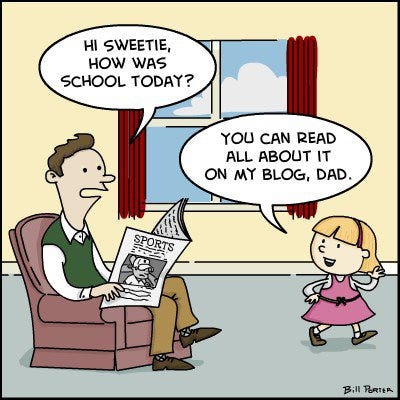
 Later on that lesson of the training, we talked about technology use in teaching and the problems that we might have in doing this. The most concerning problem was the accessibility of technology because there are many people who does not have access to necessary technology. Also, there are lots of classes that does not have enough devices for each student. Coming from that, we were worried that social-economical states of our students and classes would affect our lessons. Another problematic thing was the time that is spent to prepare and apply a technology enhanced teaching curriculum. However, we have come to conclusion that this is a problem of getting used to and in time, it will be solved with practice. 

 As in every lesson, at the end, our teacher Mrs. Yılmaz presented us with different tools that can be used while teaching and explained them in detail. Those tools were Wordwall, WordArt and Canva. All those websites are useful for creating more interactive lessons. 

 All at once, this session of the training gave us an insight into possible disadvantages of technology use in teaching and how to prevent them affecting our lessons. I personally, got a different perspective towards technology in ELT. 


This is all I have for this week my friends! I hope you enjoyed reading. Take care of yourself, see you!

Comments

Popular posts from this blog

THE FUTURE (VR)

 Hi everyone! I came here to make an update about Gamification and its ways to apply. As we have talked about gamification in our vidcast before, I won't bore you by defining the term gamification. However, you should keep in mind that gamification can be applied by means of many different ways such as basic computer games, with the help of augmented reality, or simply just with a fun game that includes input. I should accept that those all have an influence on education but there is one thing better, more modern, and more real, which is Virtual Reality (VR). Before any bias, let's just think about it. Most of the parents, even many teachers, think that games are nonsense and couldn't have any good effect on their child or any learner; nevertheless, they all wrong at one point. Games may take time to apply but they have no harm to people as long as they or their parents know how to use it appropriately. Researches show that games do harm only a small part of society whic...

Link Them All! | Thinglink

Hi everyone! I know sometimes we have issues with putting all in one place in terms of a term, book, etc. This was also an issue for me before I met Thinglink. It is a website that could be used for many different purposes, and as always I'm gonna mention its benefits to education. When I first was this website I thought that itis a perfect place to make an introduction to deep topics such as literature, science, and philosophy. This website allows you to add tags to a certain photo or video; you can even use VR images and videos and that's what we love to do in this century. As an example, I have created a Thinglink in order to inform people about Pride and Prejudice by Jane Austen. It is such a simple example but I am sure that it will give you the gist. If you want to see my work and look for more please click here.  Do not forget to inform me of your view!

MindMeister is it!

Hi everyone! I’m sure that you know about mind maps. They’re really helpful when you try to conceptualise any topic. With the help of technology, we can easily create online mind maps and share them. However, it was not possible to let people add on them and improve your mind map in one place. MindMeister is what you need to use when you are in need of a collaborative mind map. It allows you to create your mind map and share it with others. That’s why it is a meister 😂. Also, you can print your mind map after you finish creating it. I find it helpful and created my own mind map. I thought that I would use it in my class while I do the topic of plants and let students add on it by searching for different types of plants. You can see mine down there and you can also Click Here to go and add on it.